
Rising HOAs, Taxes, and Insurance in Colorado Suburbs: The Hidden Math Impacting 2026 Qualifications

How Rising Suburban Costs Affect Your True Buying Power When planning to buy a home in beautiful Colorado communities like Centennial, Parker, or Highlands Ranch, most buyers focus primarily on home prices and interest rates. However, a hidden math equation is rapidly changing the landscape for 2026 mortgage qualifications. Rising Homeowners Association fees, escalating property…
Read MoreThe Psychology of Mortgage Decisions: Biases Costing Denver Buyers Thousands

Understanding the Mental Traps of Home Financing Buying a home in the Denver metro area is not just a financial transaction; it is a deeply emotional journey. For many prospective buyers in Centennial and beyond, the stress of securing a home loan can trigger subconscious mental traps. Drawing from his teaching roots, RJ Baxter and…
Read MoreFrom Chalkboard to Closing Table: The Decision-Making Model That Helps Clients Avoid Costly Mistakes

Navigating Mortgage Uncertainty with RJ Baxter’s Teaching-Inspired Approach Buying a home in Centennial, CO, or navigating the complex world of refinancing can feel overwhelming. With fluctuating interest rates, complex appraisals, and tricky contingencies, it is easy to feel lost in the shuffle. That is where – RJ Baxter Team steps in. We believe that securing a…
Read More2026 Denver Metro Renewal Wave: Strategic Refinancing Moves to Save $300 to $600 a Month

Navigating Maturing Low-Rate Loans in Centennial and Beyond The Denver Metro housing market is approaching a significant milestone. As we look toward 2026, thousands of Colorado homeowners are facing the reality of maturing low-rate loans, shifting financial goals, and evolving family needs. If you secured a record-low mortgage rate a few years ago, you might…
Read MoreThe Contrarian Colorado Mortgage Guide 2026: Myths Keeping Buyers Overpaying

Breaking the Rules: Why Traditional Mortgage Advice Fails Colorado Buyers The 2026 Colorado real estate market requires a fresh perspective. For over two decades, the RJ Baxter Team has watched Centennial home buyers fall into the same costly traps. The biggest culprit is single lender loyalty. Many buyers believe that sticking with their childhood bank will…
Read MoreSelf-Employed Entrepreneurs in Denver: How to Qualify for a Mortgage on Real Business Strength

Moving Beyond Traditional Bank Statements for Centennial and Denver Business Owners If you are a self-employed entrepreneur in the Denver metro area, you already know that securing a mortgage can feel like navigating a complex maze. Many traditional lenders focus solely on standard W2s or basic tax returns, which rarely tell the full story of…
Read MoreIs 2026 the Right Time to Buy in Denver Metro? Navigating Local Inventory and Loan Edges
Beyond the Headlines: A Contrarian Take on the Stabilizing Denver Market If you have been waiting on the sidelines of the Colorado real estate market, 2026 might just be the window of opportunity you have been seeking. While national news often paints a picture of extreme volatility, the local reality in the Denver Metro area…
Read MoreMortgage Pre-Approval in 2026: Why Getting Approved Early Gives You a Competitive Edge

Buying a home in Colorado right now is an exciting journey, but the 2026 housing market moves fast. Whether you are eyeing a property in Centennial, Parker, or the broader Denver Metro area, waiting until you find your dream home to talk to a lender is a risky strategy. If you want your offer to…
Read MoreHow to Get the Best 30 Year Mortgage Rate

When you start the journey of buying a home in Centennial, the “market rate” you see in the news often feels like a moving target. But here is the reality: there isn’t just one single best 30 year mortgage rate. Instead, your interest rate is a custom-built price based on a complex puzzle of over…
Read More30-Year Mortgages and CHFA: Buying Your First Home in Centennial
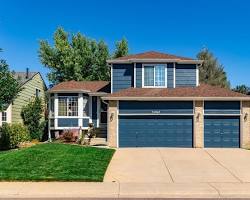
Buying a home in Centennial is an exciting milestone, but in today’s market, the “how” is just as important as the “where.” With the median home price in Centennial hovering around $665,000 as of early 2026, many first-time buyers are looking for ways to make the math work without draining their entire life savings, such…
Read More


